Emergency lighting
Choosing Portable Lighting for Emergency Kits
Choose emergency kit lighting by beam pattern, controls, power source, storage needs and documented performance rather than brightness alone.
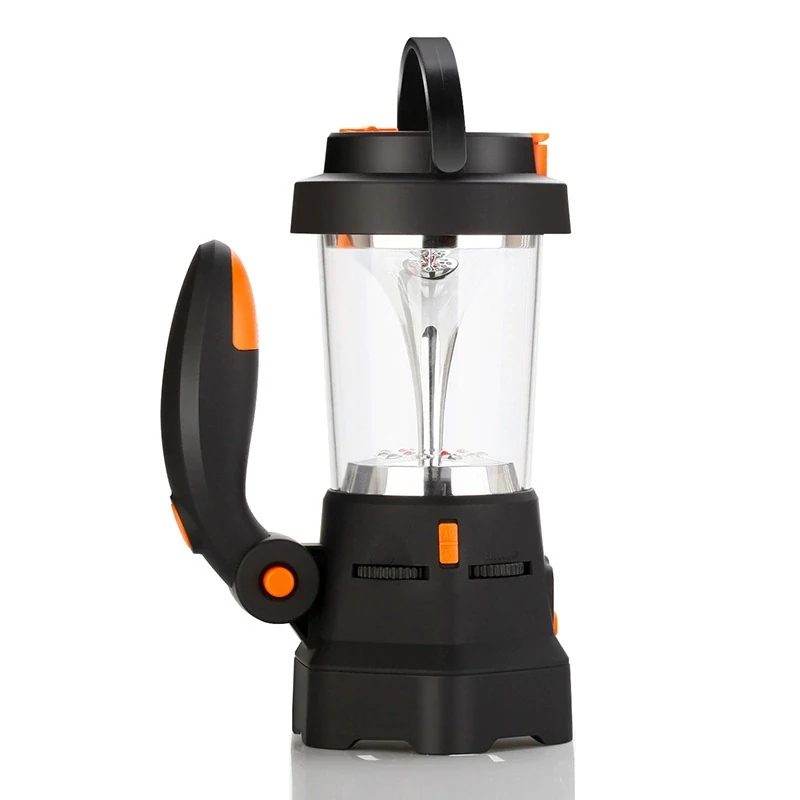
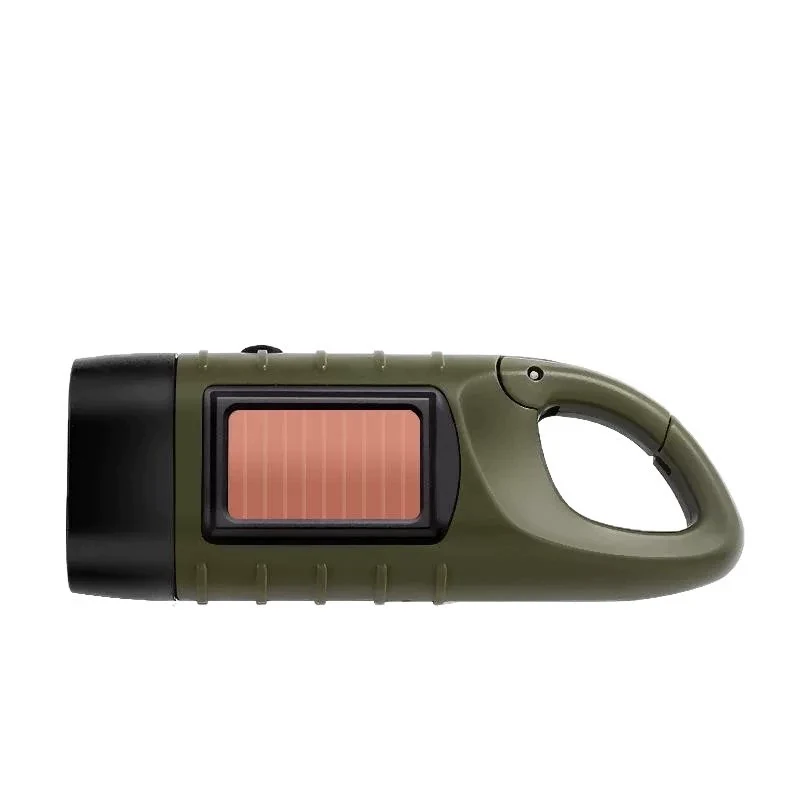
In this guideMatch the format to the job
Useful emergency kit lighting starts with a task. Someone reading instructions needs a different light pattern from someone walking through an unlit space or illuminating a shared table. Before comparing models, decide what the user needs to see, how the light will be carried and which power sources will be available.
For general outage planning, the U.S. Environmental Protection Agency recommends flashlights or battery-powered lanterns in its power outage guidance. Selecting the right product still requires a closer look at the kit and its intended users.
Match the format to the job
Avoid asking one device to fill every role. A focused flashlight can direct light ahead, while a diffused lantern can illuminate a small shared area. A light with a suitable hook or stable base may leave the user’s hands free, provided its mounting arrangement fits the setting.
| Format | Useful comparison points |
|---|---|
| Handheld flashlight | Grip, switch access, beam coverage and carrying method |
| Lantern | Light distribution, glare, base stability and hanging arrangement |
| Portable bar light | Mounting options, orientation and charging connection |
| Headlamp | Fit, adjustment, controls and compatibility with other worn equipment |
Keep portable lighting separate from installed emergency lighting. A rechargeable lantern does not establish compliance for building exit routes, and a fixed emergency luminaire may depend on a specific supply or control system. These are different procurement tasks.
Compare usable light, not one headline number
Ask which operating mode a stated light output describes. Then ask how output changes over time and which conditions apply to the runtime figure. A high-output setting and a long-duration setting may have very different specifications.
For a sample review, recreate the intended task. Check whether the beam covers the work area, whether nearby users can avoid looking into the source and whether the controls are easy to find in darkness. Assess the light at ordinary working distance instead of judging only a photograph of the illuminated device.
If an order depends on an impact or ingress rating, request model-specific evidence. A rubber cover or rugged appearance does not demonstrate a tested rating.
Choose a power plan that can be maintained
Replaceable-battery and rechargeable products create different stocking requirements. For replaceable batteries, record the battery type, quantity and whether batteries are included. For rechargeable models, record the input requirements, connector, supplied cable and whether a charger is included.
Check the complete charging path. A USB-C socket describes a connection, but it does not by itself confirm supported charging power or the contents of the box. Ask whether the light can operate while connected to power if that behavior matters to your use case.
Treat hand-crank or solar features as separate capabilities requiring their own operating information. Request charging conditions and practical instructions. Do not assume a small solar panel can replace the normal charging routine or infer useful runtime from the presence of a crank.
Inspect controls and storage behavior
Emergency supplies may spend long periods in storage. Ask the supplier for the manufacturer’s recommended inspection, charging, and storage instructions, and make sure the organization can follow them.
During sample checks:
- Locate and operate the switch without relying on room lighting.
- Check how many presses are needed to reach the normal light mode.
- Review how flashing modes are selected and exited.
- Test whether the device turns on accidentally inside the proposed pack.
- Check the stability of the stand or compatibility of the hook.
- Confirm that charging ports and included accessories remain accessible.
Keep these observations with the model record. They help distinguish a useful feature from one that complicates distribution or training.
Standardize lighting specifications
Consolidate lighting requirements into a single specification covering format, documented output, runtime conditions, power source, charging requirements, dimensions, weight, and included accessories. Add packaging and carton details to accurately evaluate landed costs.
Browse our emergency lighting range for suitable formats. To request a quotation, submit a bulk and wholesale inquiry with your intended task, quantity, and whether lights will be stored in kits, issued to personnel, or maintained as shared equipment.