Portable power
Power Banks vs. Portable Power Stations: A Buyer's Guide
Compare power banks and portable power stations using device requirements, battery energy, output limits, charging options and order documentation.
In this guideStart with a device list
The first question in a portable power purchase is what needs power. A phone charging kit, a communications pack and a temporary work area may require different connectors, output levels and battery capacity. Choose around the equipment and operating plan before comparing product names or enclosure sizes.
Start with a device list
Record each device, its power input, the number in use and the intended operating period. Use manufacturer specifications rather than estimating from appearance. Identify whether you need to recharge a battery, run equipment continuously or do both.
This list also exposes accessory requirements. A suitable power source can still be unusable if the correct cable, adapter or connector is missing. Include those items in the order review instead of leaving them to the end user.
Understand what the product category tells you
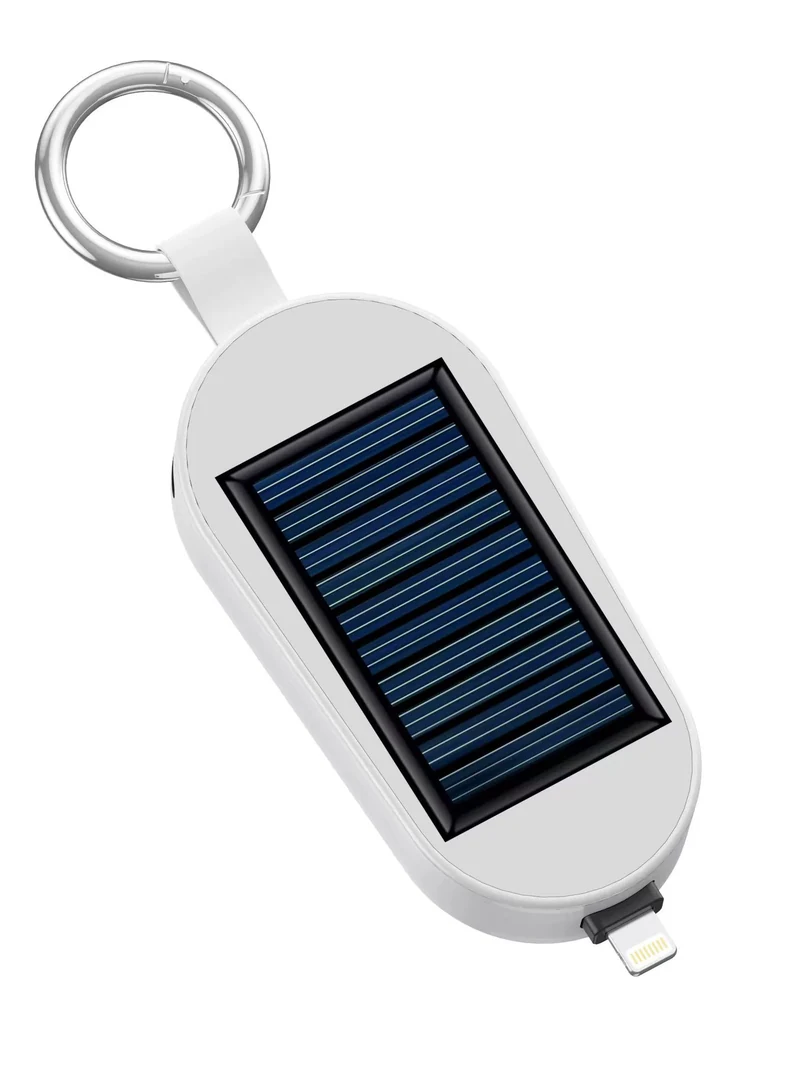
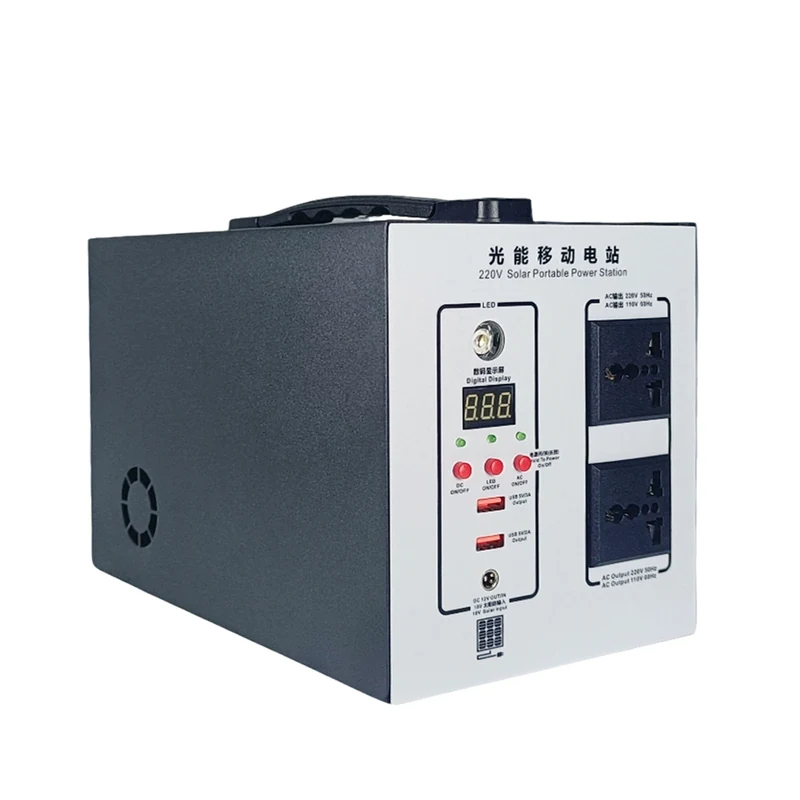
Power banks generally focus on portable device charging. Portable power stations commonly offer larger batteries and a wider selection of outputs, which may include AC sockets. Individual models vary, so the category name is a starting point rather than a compatibility guarantee.
| Buying question | Category comparison |
|---|---|
| Typical role | Power bank: Charging compatible personal devices Portable power station: Supporting a broader mix of compatible equipment |
| Outputs to verify | Power bank: USB connection, voltage and charging protocol Portable power station: USB, DC and any AC output specifications |
| Handling | Power bank: Packed size and weight within a kit Portable power station: Carrying arrangement, ventilation and setup space |
| Accessories | Power bank: Charging cable and input charger Portable power station: Input charger, output cables and any solar connections |
A fuel-powered generator is a separate equipment type. Likewise, a hand-crank charging device should be evaluated using its own generation and output specifications. Neither should be treated as a battery power station simply because a listing uses the word generator.
Separate energy capacity from output power
Battery energy is commonly expressed in watt-hours, or Wh. Output power is expressed in watts, or W. One helps compare stored energy; the other helps establish whether the source can supply the connected equipment. Goal Zero explains this distinction in its watt-hour guide.
If a listing only gives milliamp-hours, request the corresponding nominal battery voltage or stated watt-hour value. Comparing milliamp-hour figures without their voltage can give a misleading impression of relative capacity.
For an initial energy estimate, multiply a device’s average wattage by the hours required. A hypothetical 10 W load running for five hours uses 50 Wh at the load. That calculation does not predict a product’s actual runtime: conversion losses, operating conditions, battery condition and the device’s changing demand also matter.
For AC equipment, compare continuous output and any stated surge capability with the equipment manufacturer’s requirements. Confirm the output voltage, frequency and socket configuration for the destination.
Review how the unit will be recharged
A product’s usefulness depends on how it returns to service. Ask for supported inputs, required chargers, and the conditions behind any charging-time statement. Check whether the quoted package includes the necessary charger.
For a solar option, confirm the compatible input voltage range, connector and panel configuration. A panel pictured beside a unit may belong to a separate package. Request the exact bill of materials rather than assuming every illustrated accessory is included.
For products with small built-in solar panels or manual charging, obtain clear instructions on the intended role of those features. Do not present them as replacements for normal charging without supporting evidence.
Make the sample and documents part of approval
Test the selected configuration with representative devices and the proposed cables. Record charging behavior, accessible controls, portability and any restrictions in the manual. For equipment with essential operating requirements, obtain compatibility confirmation before making a purchasing decision.
Ask for the product documents and battery transport information applicable to the selected model and shipping route. Confirm those requirements with the logistics provider; a claim in a product listing does not establish shipment acceptance.
Explore our backup power and radios alongside the wider product catalog. To request a quote, submit a bulk inquiry with your connected device specifications, required outputs, and destination.